
The Ultimate Guide to Choosing Between Concrete and Interlock Patios
Creating a beautiful, functional outdoor living space is one of the most rewarding investments you can make in your home. As more families look to expand their usable square footage, the backyard has transformed into a true extension of the house. Whether you envision a cozy fire pit area for cool evenings, a sprawling entertainment space for summer barbecues, or a seamless transition to a new pool, the foundation of that dream space is your patio.
Here in The Forest City, homeowners are increasingly focusing on multi-functional outdoor living rooms that require thoughtful planning. When embarking on a new backyard project, one of the most common questions that comes up during the initial landscaping design phase is deciding on the right surface material. Specifically, homeowners find themselves comparing concrete and interlock patio options to see which best fits their budget, aesthetic preferences, and long-term goals.
Both materials have distinct advantages, but making the right choice requires understanding how they behave over time, especially considering our local climate and soil conditions. Let us explore the differences so you can make an informed decision for your next complete backyard transformation.
Understanding the Basics and Upfront Costs
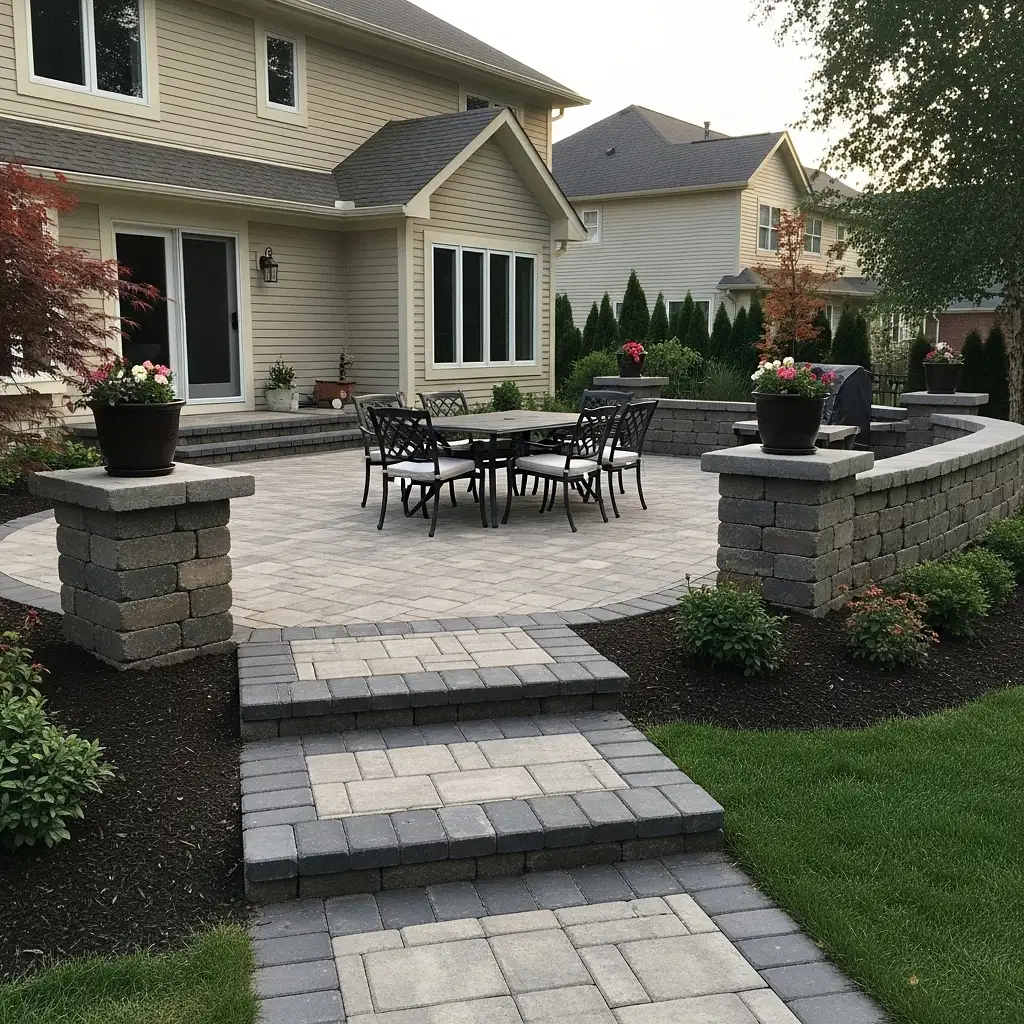
When we talk about concrete for patios, we are generally referring to either traditional poured concrete or stamped concrete. Poured concrete offers a clean, minimalist look that suits ultra-modern aesthetics. Stamped concrete goes a step further by pressing patterns and colors into the wet cement to mimic the look of natural stone, brick, or even wood. Interlock, on the other hand, consists of individual manufactured paving stones—made from concrete or natural materials—that are laid out in specific patterns over a meticulously prepared base.
One of the primary concerns for homeowners is the budget. Understanding the cost differences between stamped concrete and interlock is a crucial early step in planning. Generally speaking, poured concrete is the most budget-friendly option upfront because the material and labor costs are lower. Stamped concrete sits in the middle; it offers an elevated look but requires specialized labor to stamp and seal the surface correctly.
Interlocking pavers often have a higher initial installation cost. This is due to the intensive labor required to excavate, prepare the base, and individually lay each stone. However, when evaluating the true cost of a patio, looking only at the initial price tag can be misleading. Transparent pricing and a detailed written estimate are vital, but you also need to factor in the long-term maintenance and lifespan of the materials to understand the real value of your investment.
Durability, Climate, and Maintenance
The most critical factor when comparing durability of poured concrete versus interlocking pavers is how the materials interact with their environment. Southwestern Ontario experiences extreme seasonal temperature swings, from blistering summer heat to deep winter freezes.
Furthermore, many local properties sit on heavy London clay. This type of soil is notorious for expanding when it absorbs water and contracting when it dries out. When the ground freezes in the winter, the moisture trapped in the clay causes the earth to heave upward. When the spring thaw arrives, the ground settles back down.
Poured and stamped concrete surfaces are rigid. While control joints are cut into the slab to encourage cracking in straight, less noticeable lines, you cannot entirely prevent concrete from cracking when the ground beneath it shifts significantly. Once a concrete slab develops a severe crack, repairing it so that it looks brand new is nearly impossible. Often, the entire slab needs to be removed and repoured if the structural integrity is compromised.
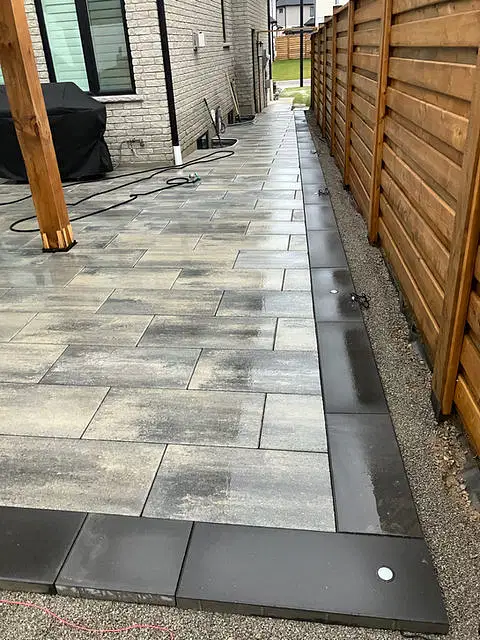
Interlocking stone patios are inherently flexible. Because they are constructed from individual pieces, the surface can flex and move with the natural freeze-thaw cycles of the ground. This flexibility makes them an excellent option when choosing low maintenance patio materials for heavy clay soil. If a section of an interlock patio does settle or shift over the years, the repair process is relatively simple. The affected stones can be lifted, the base re-leveled, and the exact same stones put back into place, leaving no visible trace of a repair.
Proper drainage is another critical element. Water pooling on your patio is not just an inconvenience; it can actively degrade the surface and the underlying foundation. Interlock allows some water to seep through the joints, and permeable paver options are increasingly popular for eco-friendly stormwater management. However, regardless of the material you choose, ensuring proper grading to move water away from your home's foundation is a non-negotiable step in the installation process.
The Importance of the Installation Process
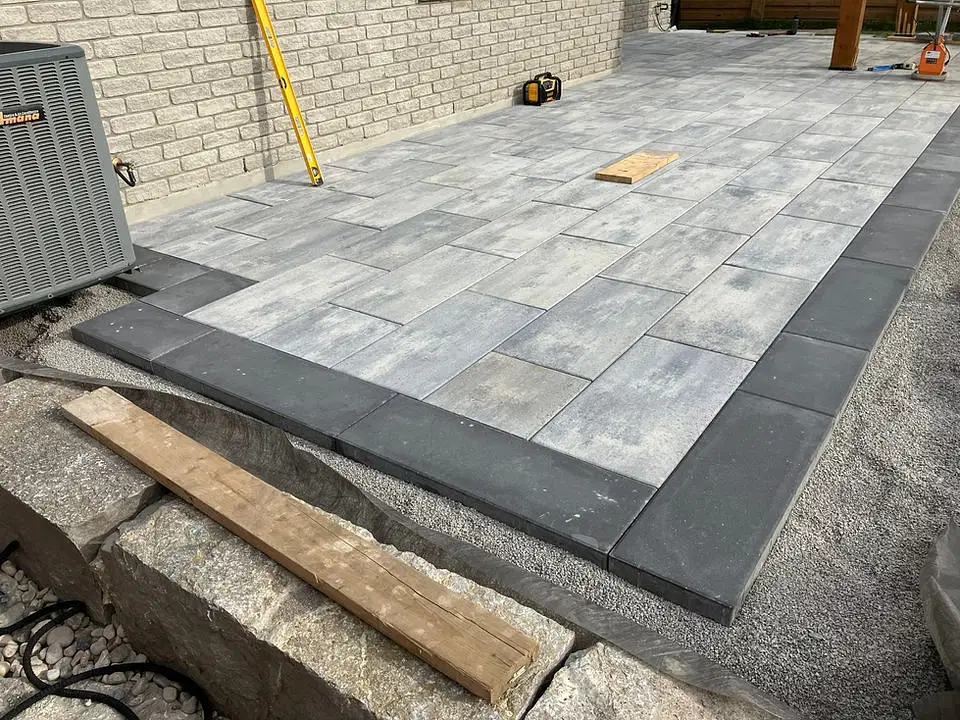
The longevity of patios relies heavily on what happens before the surface material is even visible. The best base preparation for long lasting outdoor patios requires significant excavation, the right combination of aggregate materials, and thorough compaction. Cutting corners on the base is the leading cause of patio failure, whether you opt for concrete or interlock.
For large-scale backyard projects, a systematic and professional approach is essential. Our process always begins with an initial quote, followed by detailed design and material selection to provide you with a firm, final price. From there, we handle all necessary permit acquisitions—taking the guesswork out of municipal bylaws—before moving into scheduling and excavation.
Once the area is excavated, we install a robust base, compacting it in layers to ensure absolute stability. Only then does the actual installation of your chosen surface begin, finishing with a final walkthrough to guarantee every detail meets our exacting standards. We believe that owner-operated, on-site project management is the difference between a standard installation and a breathtaking outdoor living space. Having the owner directly involved in the day-to-day progress ensures that quality workmanship and clear communication are maintained from the first shovel in the ground to the final sweep of the stones.
When planning projects in neighborhoods with mature trees or specific grading challenges, such as properties in Masonville or areas with significant slopes, you may also need to consider complementary features. A properly engineered retaining wall installation can level out an uneven yard, providing the perfect flat canvas for your new patio while holding back the earth securely.
Making the Right Choice for Your Home
Ultimately, the choice between concrete and interlock comes down to your priorities. If you are looking for a lower upfront cost and prefer a continuous, sleek surface, concrete is a viable option. However, if you prioritize long-term durability, seamless repairability, and endless customization options in terms of color, texture, and pattern, interlocking pavers are usually the superior investment for our specific climate.
Creating a complete backyard transformation is a significant undertaking, and you deserve a reliable team that provides transparent pricing, shows up on time, and delivers uncompromising quality. We focus on building high-end, outdoor living spaces that are designed to look incredible not just on the day they are finished, but for decades to come.
If you are ready to stop dreaming about your perfect backyard and start building it, we are here to help you navigate every decision along the way. Whether you need a simple walkway or a complete backyard resort complete with a pool surround, reach out to us today. Visit our contact us page to schedule a consultation and take the first step toward transforming your London area home.