
Protect Your Investment: A Homeowner's Guide to Winterizing Hardscaping in London, Ontario
You’ve invested in a beautiful interlocking stone patio, a sleek concrete driveway, or a functional retaining wall that has transformed your property. It’s the centerpiece of your outdoor living space. But as the leaves start to fall, the looming threat of a Southwestern Ontario winter raises an important question: how do you protect that investment from the harsh cycle of freezing, thawing, and heavy lake-effect snow?
Proper winter preparation is more than just a chore; it’s essential maintenance that preserves the beauty, safety, and longevity of your hardscaping. Ignoring it can lead to costly damage like shifting pavers, surface scaling, and cracks. This guide will walk you through the essential steps to ensure your patios, walkways, and walls survive the winter unscathed and are ready for you to enjoy next spring.
Understanding the Biggest Threat: The Freeze-Thaw Cycle
The primary enemy of hardscaping in our climate is water. When water seeps into the joints of pavers or the pores of concrete and then freezes, it expands with incredible force. This process, repeated over and over, can cause pavers to heave, concrete to crack, and retaining walls to shift. This phenomenon is particularly pronounced in our region due to the notorious London clay soil, which holds a significant amount of moisture.
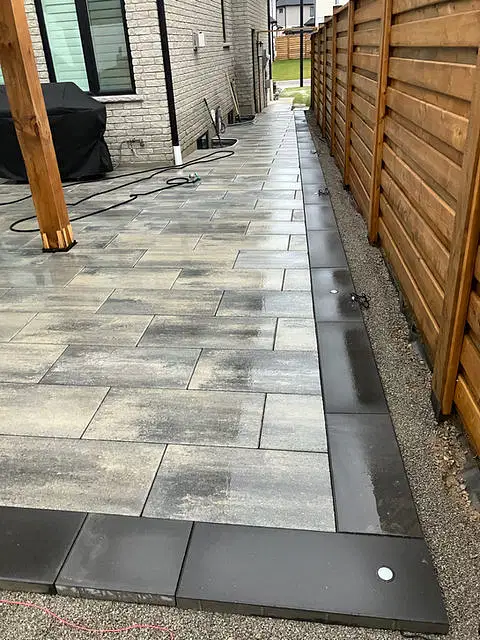
This is where the quality of the initial installation becomes critical. A professionally installed hardscape feature from a reputable contractor includes a deep, properly compacted base of granular material. This base is designed to allow water to drain away freely, preventing it from sitting directly underneath your patio or driveway where it can freeze and cause frost heave. Projects built on an inadequate base are far more susceptible to winter damage, which is why it's crucial to work with experienced professionals who understand local soil conditions and build to withstand our specific climate challenges. A solid foundation is the best defense against winter's destructive power.
Essential Prep Work: Cleaning and Sealing Before the First Frost
Before the temperature drops for good, a thorough cleaning is your first line of defense. Remove all furniture, planters, and decorative items. Sweep away leaves, dirt, and debris. Pay special attention to any organic stains from fallen leaves or spills, as these can set permanently under a blanket of snow and ice.
Once the surface is clean and completely dry, consider applying a high-quality breathable sealer. This is one of the most effective proactive steps you can take.
Benefits of Sealing Your Hardscape:
- Moisture Resistance: A good sealer creates a protective barrier that prevents water and de-icing salts from penetrating the surface of the concrete or pavers. This drastically reduces the potential for freeze-thaw damage.
- Stain Protection: It helps repel oil, grease, and grime, making spring cleanup significantly easier.
- Enhanced Appearance: Sealer can enhance the natural colours of your stone or give your concrete a clean, finished look.
Applying a sealer every few years is a small investment that pays huge dividends in protecting the structural integrity and aesthetic appeal of your hardscaping features.
The De-Icing Dilemma: Choosing the Right Products
When the ice inevitably arrives, reaching for the wrong de-icing product can cause irreversible damage. Standard rock salt (sodium chloride) is extremely corrosive to both concrete and interlocking pavers. It chemically attacks the surface, leading to spalling, flaking, and pitting. It can also harm surrounding plants and lawns.
Instead, opt for safer alternatives:
- Calcium Magnesium Acetate (CMA): Often considered the safest option, it's less corrosive and more environmentally friendly.
- Calcium Chloride or Magnesium Chloride: These are more effective at lower temperatures than rock salt and are less damaging to surfaces, though they should still be used sparingly.
- Sand: While it doesn't melt ice, sand provides excellent traction on slippery surfaces without causing any chemical damage.
Never use products containing ammonium nitrates or ammonium sulfates, as these will aggressively break down concrete. The best strategy is to shovel snow promptly to prevent ice from forming in the first place.
Don't Overlook Your Retaining Walls
Your retaining walls are working hard all year, but winter puts them under unique stress. The most important winterization step for a retaining wall is ensuring its drainage system is clear.
Check that the weeping holes at the base of the wall and any drainage pipes are free of leaves, soil, and debris. If this drainage is blocked, water can get trapped behind the wall. When that water freezes and expands, it creates immense hydrostatic pressure that can cause the wall to bulge, crack, or even fail. A quick inspection and cleaning in the fall can prevent a massive headache in the spring. Also, take a moment to visually inspect the wall for any existing cracks or signs of shifting, as these can be worsened by winter conditions.
Protect Your Outdoor Oasis for Years to Come
Your hardscaped areas are a significant part of your home's value and your family's enjoyment. Taking these simple, proactive steps before winter arrives will protect your investment from the harsh London weather, prevent costly repairs, and ensure your outdoor living space is beautiful and ready to use as soon as the spring thaw begins.
If you're unsure about the condition of your hardscaping or want professional assistance with cleaning, sealing, or repairs, we're here to help. Contact DLV Landscape Construction Inc. today for a consultation and let our experts ensure your property is prepared for the season ahead.