
Don't Get Bogged Down: A Homeowner's Guide to Drainage in London and Ilderton
If you're a homeowner in London or Ilderton, you're likely familiar with the seasonal struggle: heavy rains that turn your backyard into a shallow pond, or a mid-summer drought that bakes your lawn into something resembling concrete. You're not alone in this frustration. The culprit lurking beneath your grass is the infamous London clay, a soil type that presents unique challenges for creating and maintaining a lush, healthy landscape. While it can be rich in nutrients, its dense, heavy nature often leads to poor drainage and severe compaction.
Many homeowners feel like they're in a constant battle with their yard, fighting against pooling water and patchy grass. But it doesn't have to be that way. Understanding the nature of our local soil is the first step toward a beautiful, resilient lawn. This guide will walk you through why clay soil is so tricky and, more importantly, what professional steps you can take to transform your yard from a muddy problem into a stunning outdoor space.
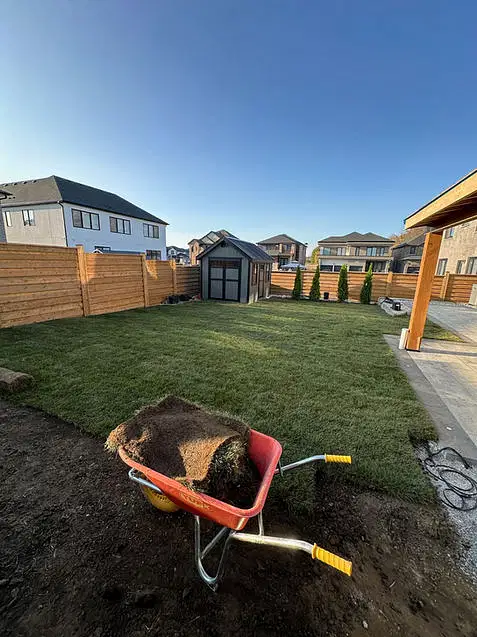
The Root of the Problem: Why Clay Soil Causes Drainage Nightmares
What exactly makes clay soil so difficult to manage? It all comes down to particle size. Clay is made of incredibly fine mineral particles that pack together tightly, leaving very little space for air or water to move through. This structure creates a few key problems for your lawn and garden across the region:
- Poor Drainage: This is the most common complaint. When it rains, water struggles to seep down through the compacted clay. Instead, it sits on the surface, leading to standing water, muddy patches that never seem to dry, and an environment where grass roots can rot. This is a frequent issue in many of London's newer subdivisions and the expanding properties in Ilderton.
- Severe Compaction: The tiny particles in clay soil are easily squashed together by foot traffic, lawnmowers, or even heavy rainfall. When the soil compacts, it becomes a nearly impenetrable barrier. This prevents essential oxygen, water, and nutrients from reaching the root zone, effectively starving your lawn.
- Extreme Weather Swings: London clay acts like a sponge, but not in a good way. It holds a massive amount of water when wet, becoming heavy and mucky. But when it dries out during hot summer spells, it shrinks, cracks, and becomes incredibly hard, making it nearly impossible for grassroots to grow and expand.
Professional Solutions for Lasting Relief
While yearly aeration and topdressing can help, they are often just treating the symptoms. For a lasting solution to the core problems caused by heavy clay, a more structural approach is often necessary. This is where professional expertise in earthworks and water management becomes critical. Simply tilling the soil or adding a thin layer of topsoil won't solve the underlying issue of water having nowhere to go.
Effective, long-term management of clay soil involves a few key strategies:
-
Professional Grading: The most fundamental solution is ensuring your property is properly graded. This means carefully shaping the land to create a gentle, consistent slope that directs surface water away from your home's foundation and toward appropriate drainage areas. Proper grading and drainage is the foundation of a healthy, dry yard and is essential before any hardscaping or planting project begins.
-
Advanced Drainage Systems: For yards with significant water issues or low-lying areas, a surface grade may not be enough. In these cases, installing subsurface drainage systems like French drains can be a game-changer. These systems involve trenching and installing perforated pipes that collect excess groundwater and channel it away, preventing the soil from becoming oversaturated.
-
Strategic Excavation and Soil Amendment: In some cases, the best approach is a complete overhaul. This can involve excavation services to remove a portion of the heavy clay and replace it with a high-quality, amended soil blend. By creating a deep base of healthy soil, we give your lawn, trees, and garden plants the foundation they need to truly thrive for years to come.
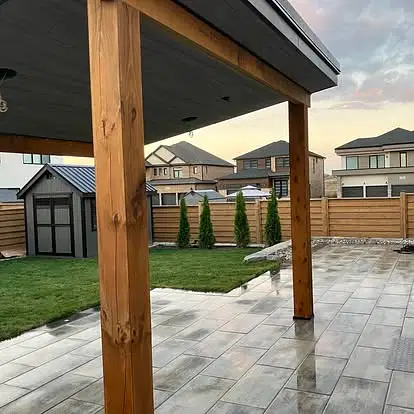
Building a Resilient Landscape on a Solid Foundation
Once the foundational issues of drainage and compaction are addressed, you can begin building a beautiful and sustainable landscape. Working with the soil, not against it, is key. This means choosing the right plants and employing smart maintenance practices.
Selecting turf grasses and native plants that are known to perform well in Southwestern Ontario's Zone 6 climate and are more tolerant of clay conditions is a crucial step. Plants with deep, strong root systems can help break up clay soil over time, further improving its structure. A well-designed residential landscaping plan considers not just aesthetics, but the long-term health of your entire yard's ecosystem.
By combining professional site preparation with intelligent plant selection, you create a low-maintenance, eco-friendly outdoor space that adds value to your home and stands up to our region's unique climate challenges, from heavy lake-effect snow to humid summers.
Stop Fighting Your Yard and Start Enjoying It
Living with a soggy, compacted yard can be a constant source of stress. The good news is that you don't have to accept it as your reality. With the right professional approach, the challenges of London clay soil can be effectively managed, paving the way for the beautiful, functional outdoor living space you've always wanted.
If you're tired of dealing with drainage issues on your property in London or Ilderton, it's time to call in the experts. Contact DLV Landscape Construction Inc today for a professional consultation. We specialize in creating custom grading, drainage, and excavation solutions that transform problematic yards into pristine landscapes. Let's build you a yard you can be proud of. Request your quote today!